




As we step into 2025, one issue continues to rise in urgency across organizations of all sizes: manager burnout compensation. Particularly among mid-level leaders, burnout has reached critical levels due to heavier workloads, increased expectations, and the ever-blurring boundaries between work and personal life. These managers are the backbone of organizational performance, bridging the gap between strategy and execution. But many are burning out fast — and leaving.
Why Are Mid-Level Managers Burning Out?
Mid-level managers often face pressure from both directions: executing executive strategy from the top while supporting teams on the ground. In today’s fast-paced, hybrid, and often ambiguous work environments, they’re being asked to do more with less. Add to that limited recognition, stagnant salaries, and outdated performance-based incentives, and the result is an unsustainable situation.
The Real Cost of Losing Mid-Level Talent
Replacing a mid-level manager is expensive. According to recent studies, turnover in these roles can cost up to 150% of their annual salary, including lost productivity, hiring costs, and onboarding time. But the indirect costs are even steeper: decreased team morale, stalled projects, and loss of organizational memory.
So how can companies keep these vital leaders engaged, energized, and committed?
Compensation Strategies That Support and Retain Mid-Level Leaders
Introduce Retention Bonuses and Long-Term Incentives
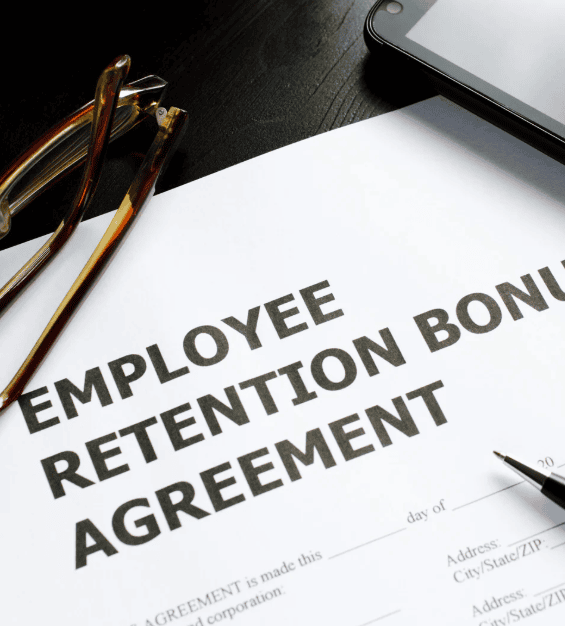
Retention bonuses can be effective in stabilizing key roles. Offer structured bonuses that reward longevity, performance, and leadership impact. Equity, stock options, or profit-sharing plans also tie their success to the organization’s long-term outcomes.
Pro Tip: Make these rewards visible and personalized. Recognition goes beyond money when leaders feel their specific contributions are valued.
Modernize Pay Structures with Skills-Based Compensation
Move away from role-based salaries and toward skills-based pay models. Mid-level leaders often pick up additional skills (data analysis, project management, remote team leadership) that go uncompensated. Pay for what they do and the value they add, not just their title.
Example: A marketing manager leading a digital transformation effort should see compensation reflect those tech skills and expanded impact.
Offer Mental Health and Wellness Stipends
Burnout isn’t just a productivity issue—it’s a wellness issue. Mental health stipends, access to therapy, mindfulness apps, and scheduled recovery days can have a tangible impact on retention.
Trend: In 2025, more companies are embedding mental health support into compensation packages to signal that wellbeing is a corporate priority.
Redefine Career Pathing with Financial Milestones
Too often, mid-level managers feel stuck. Instead of the vague “someday you’ll be promoted,” give clear benchmarks tied to real financial rewards.
- Milestone: Lead a cross-functional team
- Reward: $X bonus or salary bump
This approach motivates through transparency and gives managers a sense of progress even without a title change.
Include Managers in Compensation Planning
Your mid-level leaders understand the pressure and context of your business. Invite them to be part of compensation feedback sessions or pilot pay model changes. This creates ownership, and their insights are often more valuable than third-party consultants.
Final Thoughts
As burnout reshapes the workplace in 2025, organizations must go beyond band-aid solutions. Manager burnout compensation must evolve from a static system into a strategic retention tool — one that recognizes mid-level managers not only for what they do, but for the role they play in holding companies together.
By offering tailored compensation strategies that reflect real-world expectations, companies can retain critical leadership, drive engagement, and reduce costly turnover.
Is your organization prepared to support your managers in 2025? It might be time to review your pay models and ensure they reward what matters most: the leaders holding your business together.
Author