

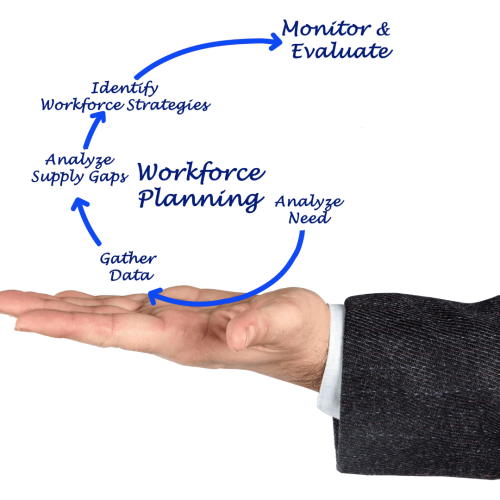

As the year winds down, many leaders focus on closing out projects, hitting revenue targets, and wrapping up annual reviews. But there’s one area that often gets overlooked in the rush to the holidays: workforce planning.
Q4 isn’t just the end of a business year—it’s the launchpad for the year ahead. How you align your people strategy now will determine how smoothly your company transitions into 2026 and how prepared you are to meet new challenges and opportunities.
Why Workforce Planning Matters in Q4
-
Budget Alignment
End-of-year planning often includes budget reviews. This is the perfect time to align hiring needs with financial forecasts for 2026. Knowing which roles you’ll need and when prevents costly last-minute scrambles. -
Talent Retention
Q4 is a natural time for employees to reflect on their careers. Without proactive retention strategies, you risk losing top performers in January—a peak season for job changes. -
Strategic Advantage
Companies that plan early can lock in talent ahead of competitors. While others start hiring in Q1, you’ll already have the right people in place to hit the ground running.
Key Steps to Effective Q4 Workforce Planning
1. Assess Current Workforce Gaps
Review skills, performance, and capacity. Where are the biggest risks if someone leaves? What roles are overextended?
2. Forecast 2026 Needs
Look at your business goals—new projects, market expansions, or digital transformations. What new skills will be required? Which roles may become redundant?
3. Prioritize Retention Efforts
Plan recognition, career development, and compensation conversations before year-end. Employees are more likely to stay when they see a future with your organization.
4. Align Hiring Strategy
Collaborate with recruiting partners (like TriQuest) to build a pipeline for early 2026. Proactive sourcing now ensures you’re not scrambling in Q1.
5. Leverage Data & Technology
Use workforce analytics to identify patterns in turnover, absenteeism, or productivity. This data-driven approach makes planning more precise.
2026 Workforce Trends to Watch
-
Skills Over Roles – Companies are focusing more on specific skills rather than rigid job descriptions.
-
Hybrid Work 2.0 – Employees expect flexibility, but leaders are redefining how to balance culture and accountability.
-
Compensation Pressures – Pay transparency and inflation-driven salary adjustments will continue shaping offers.
-
AI-Enhanced Productivity – Teams will increasingly rely on automation and AI for efficiency, changing talent needs.
Final Takeaway
Q4 is your opportunity to move beyond reactive hiring and embrace strategic workforce planning. By assessing gaps, forecasting needs, and aligning talent strategy with 2026 goals, you’ll set your company up for sustainable growth in the new year.
At TriQuest, we help organizations like yours prepare for the future with smarter hiring, retention strategies, and workforce solutions. Let’s make sure you enter 2026 not just ready—but ahead.
Author